Top 5 Emergency Plumbing Tips for Homeowners
- georgekanoun97
- Mar 13
- 3 min read
When a plumbing emergency strikes, it can feel overwhelming. Whether it’s a burst pipe, a clogged drain, or a malfunctioning water heater, knowing how to respond quickly can save you time, money, and a lot of stress. In this post, we’ll explore the top five emergency plumbing tips every homeowner should know. These practical strategies will help you manage plumbing issues effectively and minimize damage to your home.
Understand Your Plumbing System
Before an emergency occurs, it’s crucial to familiarize yourself with your home’s plumbing system. Knowing the layout of your pipes and fixtures can make a significant difference when a crisis arises.
Locate Main Water Shut-Off Valve
The first step in managing a plumbing emergency is knowing where your main water shut-off valve is located. This valve controls the water supply to your entire home. In most houses, it can be found:
In the basement or crawl space
Near the water meter
Close to the foundation wall
Tip: Test the valve periodically to ensure it operates smoothly. If it’s stuck or difficult to turn, consider replacing it.
Identify Individual Shut-Off Valves
In addition to the main shut-off valve, each fixture in your home typically has its own shut-off valve. Familiarize yourself with these valves for sinks, toilets, and appliances like dishwashers and washing machines. Knowing how to turn off the water supply to specific areas can help you address localized issues without affecting the entire house.
Act Quickly to Minimize Damage
When faced with a plumbing emergency, time is of the essence. Here are steps you can take to minimize damage:
Turn Off the Water Supply
As mentioned earlier, turning off the main water supply is the first action to take. This will stop the flow of water and prevent further flooding. If the issue is localized, use the individual shut-off valves instead.
Drain the Pipes
After shutting off the water, open faucets and flush toilets to drain any remaining water from the pipes. This step helps relieve pressure and reduces the risk of further leaks or bursts.
Use Towels and Buckets
While waiting for a plumber, use towels, buckets, or containers to catch any leaking water. This will help protect your floors and belongings from water damage.
Know When to Call a Professional
Some plumbing issues require the expertise of a licensed plumber. Here are signs that you should call for professional help:
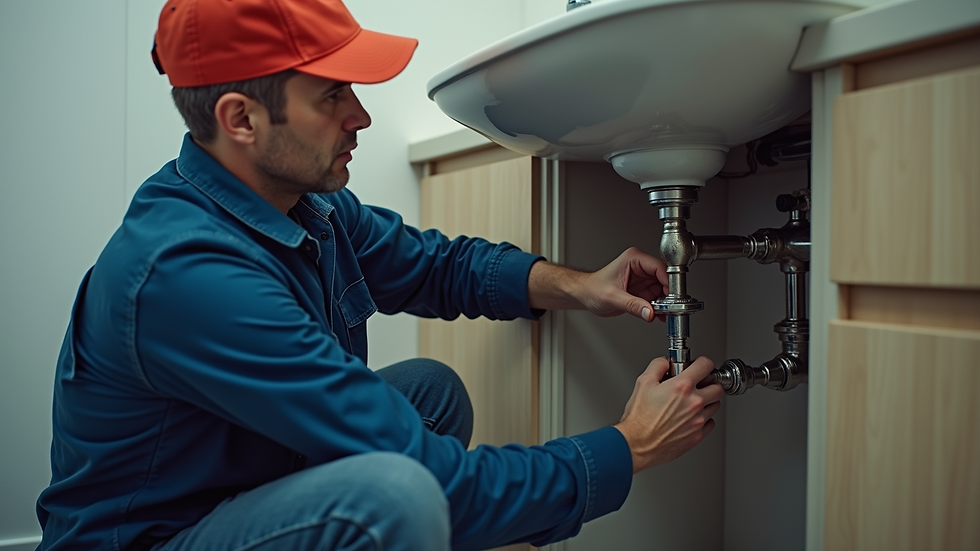
Persistent leaks: If you notice water pooling around fixtures or under sinks, it’s time to call a plumber.
Sewage backup: If you experience a sewage backup, do not attempt to fix it yourself. This can pose serious health risks.
Unusual noises: Gurgling sounds or banging pipes can indicate a more significant problem that needs professional assessment.
Keep Essential Tools on Hand
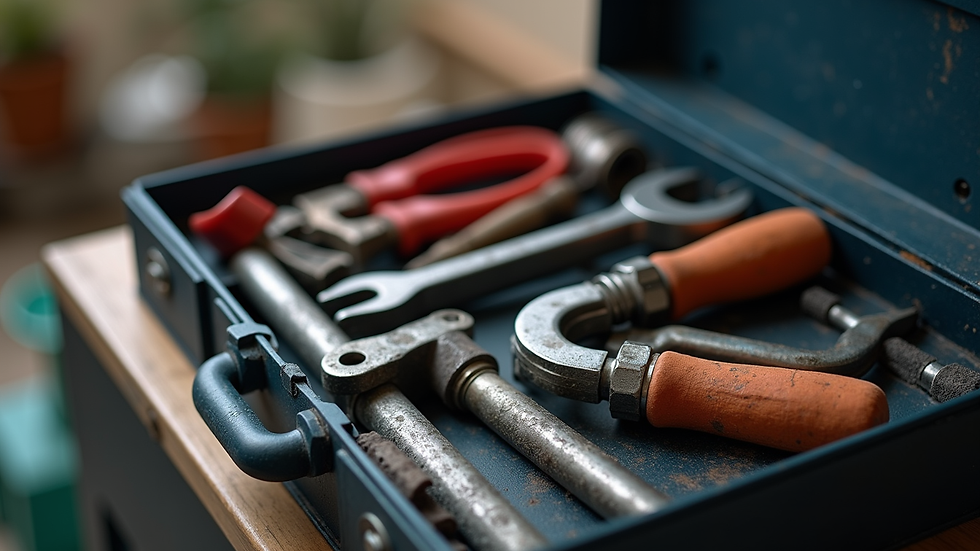
Being prepared can make all the difference during a plumbing emergency. Here are some essential tools every homeowner should have:
Plunger: A must-have for clearing clogged drains and toilets.
Pipe wrench: Useful for tightening or loosening plumbing fittings.
Adjustable wrench: Great for various plumbing tasks.
Teflon tape: Helps seal pipe threads to prevent leaks.
Bucket: Handy for catching water during repairs.
Tip: Consider creating a dedicated plumbing toolbox to keep these items organized and easily accessible.
Regular Maintenance Can Prevent Emergencies
Preventing plumbing emergencies is always better than dealing with them. Here are some maintenance tips to keep your plumbing system in good shape:
Schedule Regular Inspections
Having a professional plumber inspect your system annually can help identify potential issues before they become emergencies. They can check for:
Corroded pipes
Leaks
Water pressure issues
Know Your Water Pressure
High water pressure can lead to leaks and bursts. Invest in a water pressure gauge to monitor your home’s pressure. Ideally, it should be between 40-60 psi. If it’s consistently high, consider installing a pressure-reducing valve.
Clear Drains Regularly
Prevent clogs by regularly cleaning your drains. Use a mixture of baking soda and vinegar to break down buildup. Avoid pouring grease or large food particles down the sink.
Conclusion
Being prepared for plumbing emergencies can save you time, money, and stress. By understanding your plumbing system, acting quickly, knowing when to call a professional, keeping essential tools on hand, and performing regular maintenance, you can effectively manage any plumbing crisis that comes your way. Remember, the key to minimizing damage is to stay calm and act swiftly. Equip yourself with knowledge and tools, and you’ll be ready to tackle any plumbing challenge that arises.
Comments