What Are Capped Pipe Ends?
Capped pipes are exactly what they sound like — pipe ends that have been sealed off with a threaded cap, push-fit cap, or welded plug. When a plumber decommissions a service, removes an old tap, relocates a connection point, or disconnects a feature like an irrigation system or garden tap, they cap off the pipe rather than leaving it open.
Finding capped pipe ends in a garden or yard is very common — particularly in Melbourne homes that have had any renovation work done, or in properties that are a few decades old with updated outdoor setups. They're usually nothing to worry about, but understanding what they are helps you make an informed decision about whether they need further attention.
Common Reasons for Capped Pipes in a Garden
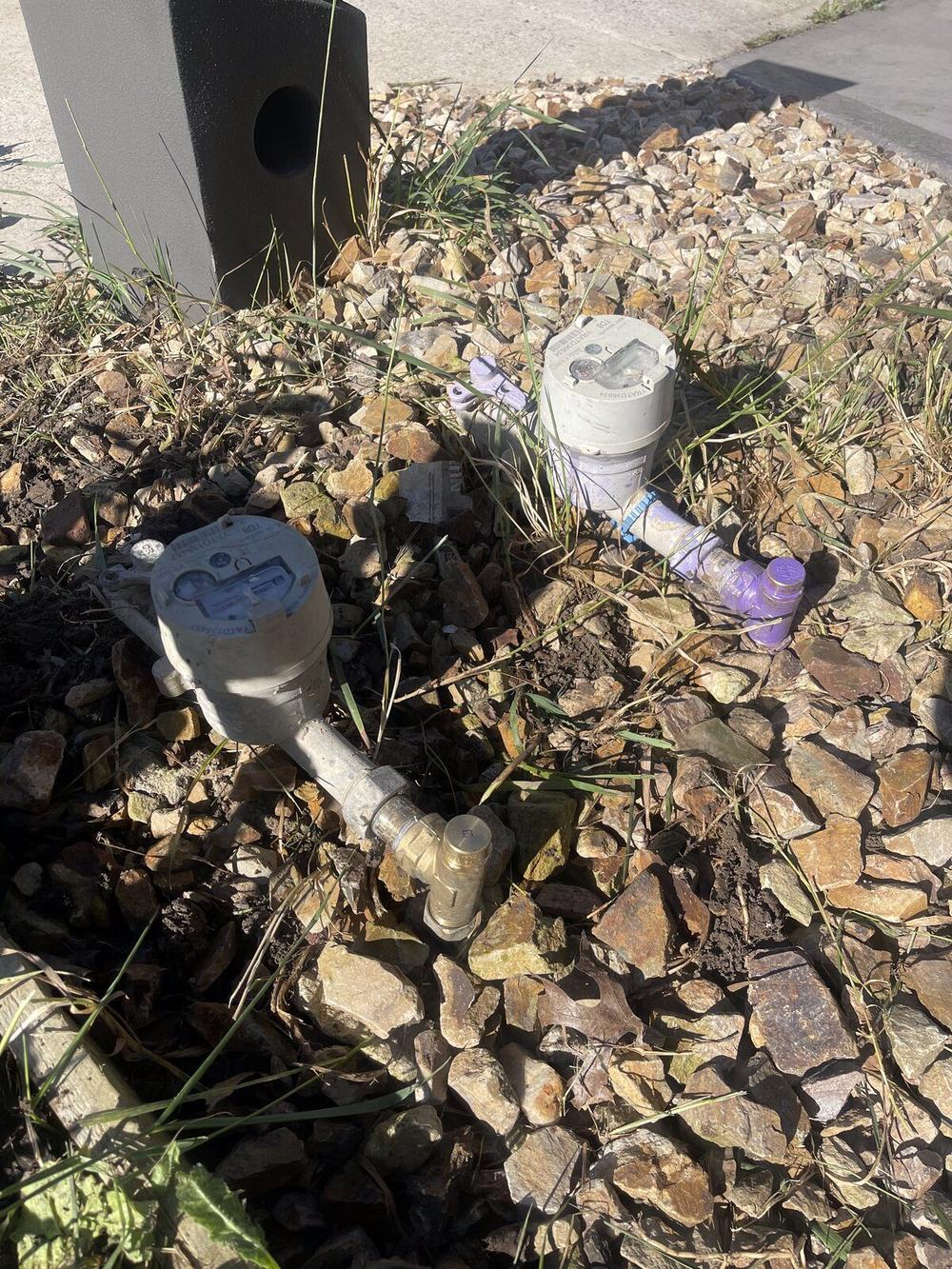
There are several routine explanations for capped pipes appearing in a yard or garden bed. A decommissioned garden tap or irrigation line is one of the most common — when outdoor watering setups are removed or replaced, the supply pipe is usually capped at ground level rather than being fully excavated. Old pool or spa connections work the same way. In some cases, capped ends are left during a partial renovation where a future connection point was roughed in but never completed.
In older Melbourne properties, it's also common to find capped galvanised or older PVC pipes that were abandoned when supply lines were rerouted. As long as they're properly capped and under no pressure, these are generally harmless.
If the pipe has been properly decommissioned (isolated and capped after the last valve), there should be no pressure behind the cap. If the pipe is still live — i.e., the cap is the only thing stopping flow — the quality of the cap and fitting matters a lot. A cheap push-fit cap on a pressurised supply line can fail. If you're not sure whether a capped pipe is under pressure, call a plumber to check. This is a quick inspection.
When Should You Be Concerned?
Most capped pipes in a garden are benign, but there are situations worth investigating. If you notice damp soil or wet patches near capped pipes that don't dry out after rain, a cap may have failed and the pipe may be pressurised. Similarly, if you have unexplained water pressure issues or a meter that shows flow when everything is turned off, it's worth checking whether any capped supply lines are still active.
It's also worth investigating if you're planning renovation or landscaping work near the area — knowing whether those pipes are live, decommissioned, water supply, stormwater, or sewer will help you plan safely and avoid accidentally cutting into something active.
- Wet soil near capped pipes that doesn't dry out — get it checked
- Meter running with all taps closed — may indicate a failed cap on a live line
- Planning to excavate or build near the area — identify what the pipes are first
- Visible corrosion or cracking on older caps — worth replacing as a precaution
What a Plumber Will Do
Identifying capped pipes is usually a quick job. A plumber can trace the pipe back to its source, check whether it's under pressure, identify what service it was originally part of, and either confirm it's safely decommissioned or cap it properly if needed. For anything that needs to be fully removed, they can also excavate and disconnect back to the nearest valve to eliminate the pipe entirely.
If you've bought a property and found unexplained caps in the yard, a general plumbing inspection is a worthwhile investment — particularly for older Melbourne homes where multiple owners over the decades may have left behind various disconnected services.
Found Capped Pipes and Not Sure What They Are?
We inspect and trace pipes across Melbourne — quick, fixed price. Call for a same-day inspection.