What Is Backflow?
Backflow is the reversal of water flow in a plumbing system — water moving backwards from where it's supposed to go. Under normal operating conditions, water flows from the mains supply into your home and out through fixtures. But if mains pressure drops suddenly — due to a burst water main, firefighting activity, or a pressure surge — the flow direction can reverse, potentially drawing contaminated water back into the mains supply.
This is where backflow prevention devices matter. They're one-way valves installed on a water supply line that physically prevent water from flowing backwards — protecting both the building's internal water quality and the broader public water supply.
When Is a Backflow Prevention Device Required?
Under the National Plumbing and Drainage Code (AS/NZS 3500), backflow prevention is required wherever there is a potential for non-potable water to connect with or contaminate the drinking water supply. In practice, this means backflow preventers are required in the following situations:
- Properties with irrigation or sprinkler systems connected to the mains
- Properties with solar hot water systems (stored water creates a backflow risk)
- Homes with a swimming pool or spa connected to mains water
- Any property with a second water source such as a rainwater tank plumbed into the house
- Commercial and industrial properties — in most cases a higher-grade device is required
- Properties with whole-house water filtration systems on the inlet
Many Melbourne homeowners don't realise their property already requires a backflow preventer — and that the responsibility to have one installed sits with the property owner, not the water authority.
Types of Backflow Prevention Devices
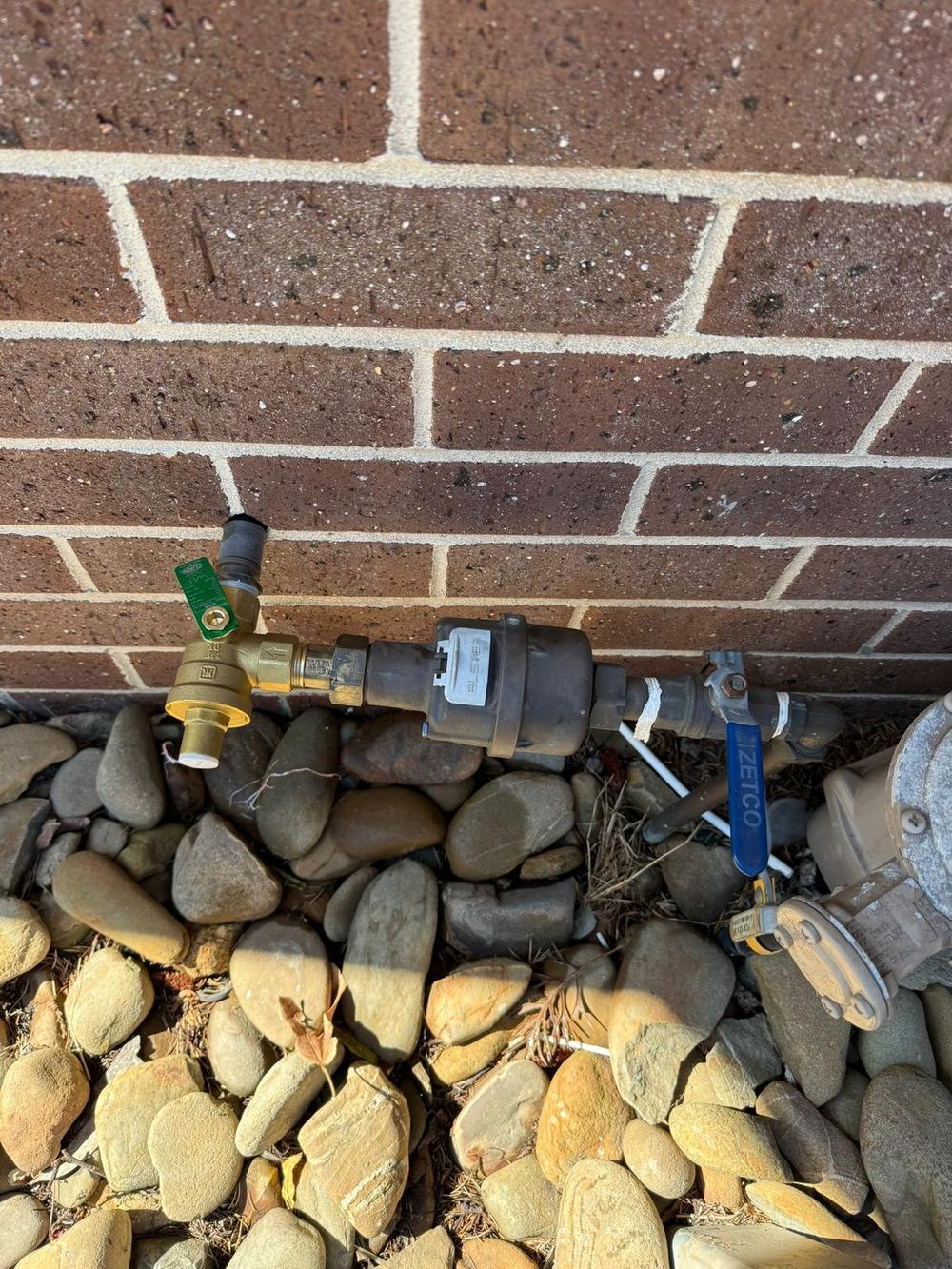
The type of device required depends on the hazard level — the potential severity of contamination if backflow occurred. The most common types installed in residential Melbourne properties are the dual check valve (for low-hazard installations such as irrigation) and the reduced pressure zone (RPZ) device for higher-hazard applications. A licensed plumber is required to determine the appropriate device type, install it, and in the case of testable devices, have it registered and tested annually.
A dual check valve is a non-testable device used for low-hazard situations — typically irrigation and sprinkler systems. It has two check valves in series and is a simple, low-maintenance solution. An RPZ (Reduced Pressure Zone) device is a testable, higher-grade device required where the hazard level is moderate to high. RPZ devices must be registered with the water authority and tested by a licensed tester annually.
What Does a Backflow Prevention Installation Involve?
A standard residential backflow preventer install typically takes a few hours. The plumber isolates the water supply, installs the appropriate device on the supply line (usually near the meter or at the point of connection), and restores water supply. The device is installed in an accessible location and with isolation valves on each side so it can be serviced without cutting off water to the whole property.
For testable devices such as RPZ units, the plumber will also register the device with the relevant water authority and arrange the first annual test. Annual testing is a compliance requirement in Victoria.
Do I Need One? How to Find Out
If you have any of the following at your property, it's worth having a licensed plumber check whether a backflow preventer is required: an irrigation system, a solar hot water system, a pool or spa, a rainwater tank plumbed to fixtures, or a whole-house water filter. In most of these cases, a device is required under AS/NZS 3500 and failure to have one installed means the property is technically non-compliant.
We assess and install backflow prevention devices across Melbourne. If you're unsure whether your property needs one, call us and we can advise based on your setup.
Need a Backflow Prevention Device in Melbourne?
We assess, supply, and install the right device for your property — residential and commercial. Fixed price, fully licensed.